Guides and resources
How to Prepare the Prayers of the Faithful
Preparing good intentions begins with knowing what this prayer is for. The guides below explain its place in Mass, the roles of priest and reader, and the practical choices that make a set clear and prayerful. Start with the question you need answered, then return to a complete example or your parish’s draft.
For the writer
Identify a real need, express it in one short sentence, and keep the full set broad enough for the congregation to share. The ordinary structure and the limits of free composition matter more than elaborate wording.
For the reader and priest
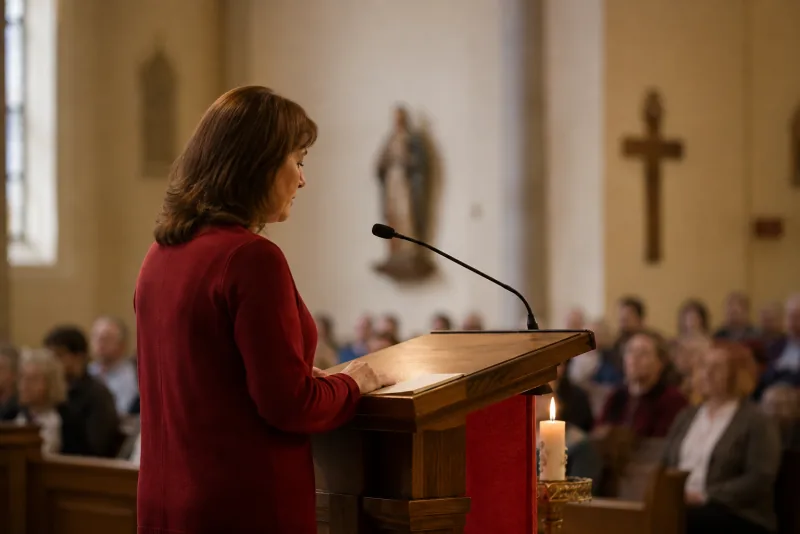
The priest begins and concludes the prayer. The designated minister announces the intentions, and the people join through the response or silence. A clean, rehearsed copy helps each person carry out that part calmly.
Understand the prayer

Prepare and pray


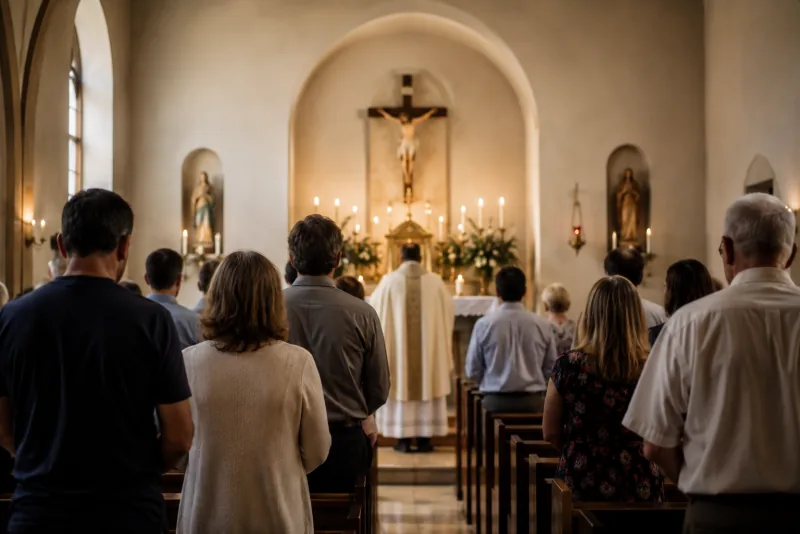
Prepared with GIRM 69–71 as the guiding standard: brief, sober intentions for the Church, the world, people in difficulty, and the local community, with an introduction and conclusion for the priest. These original examples may be adapted for the celebration and reviewed by the celebrant.
PRACTICAL GUIDANCE
Preparing these prayers.
Where should a first-time writer begin?
Read the writing guide and one complete example. Then prepare a short draft from the parish’s actual needs and review it with the priest.
Are these guides a replacement for the Missal?
No. They explain preparation in plain language and point to the Church’s sources. Prescribed texts and ritual directions remain in the appropriate liturgical books.